Beginner's Guide to Keeping Ferns Alive in UK Shade
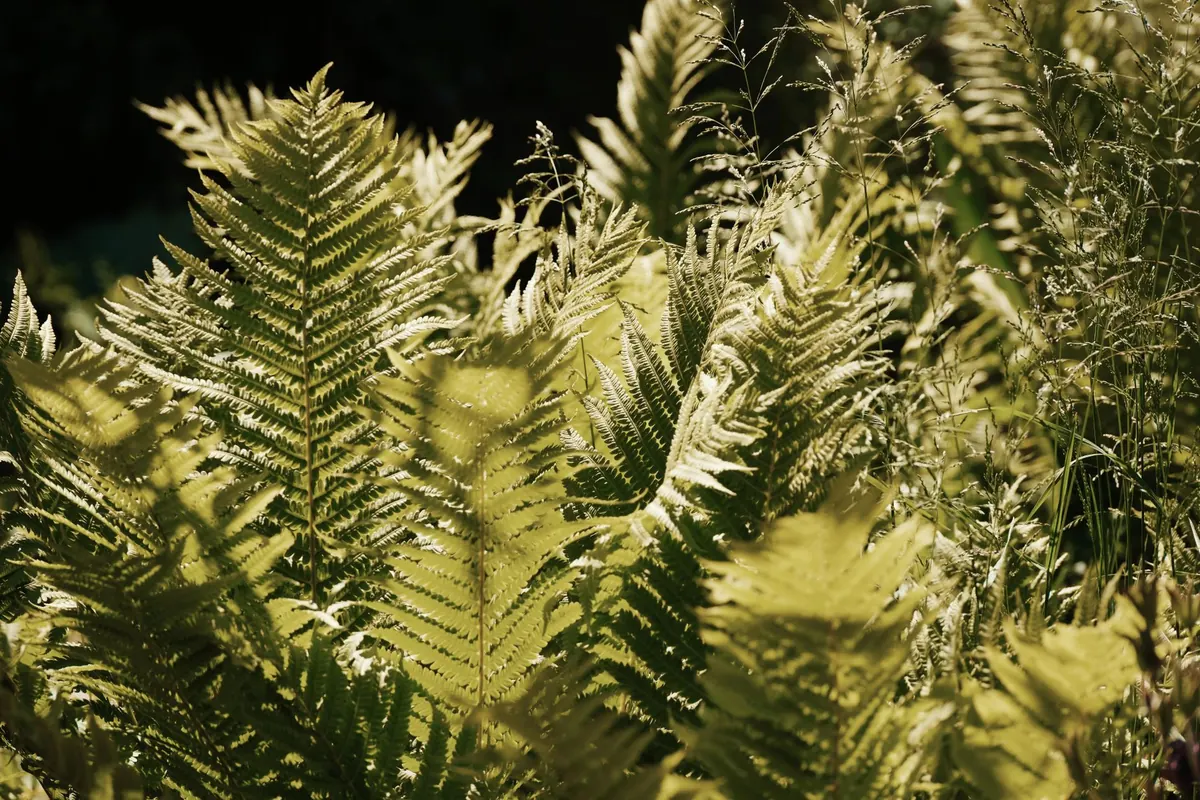
Most gardens have a corner that never gets sun: behind the shed, under a boundary hedge, along the north wall of the house. Grass gives up there. So do most bedding plants. Ferns do not. They evolved on woodland floors, in shaded gullies and along damp banks, which means a north-facing border is closer to home for them than a sunny patio is. Get the planting right and they will quietly look after themselves for years.
Work out which kind of shade you have
Before you buy anything, answer two questions about the spot: how much water does the soil hold, and how much light actually reaches it?
Dappled shade beneath a deciduous tree or a tall hedge is the easiest situation. The canopy takes the worst of the summer sun while a few hours of soft light and most of the rain still get through. The soil is usually workable, and the majority of hardy ferns will grow here.
Dry shade is harder. Under a conifer hedge, a mature sycamore or the eaves of a house, the ground is often dusty and packed with competing roots. You can still grow ferns, but choose the tough ones and improve the soil before planting.
Deep, permanently damp shade, such as a north-facing wall or a damp corner by a downpipe, suits a different group again: the moisture-lovers that scorch in sun but look lush in cool shade.
Ferns worth starting with
You do not need rare plants to make a shady border look good. These are widely sold, reliable in UK conditions, and forgiving of a beginner's mistakes.
- Male fern (Dryopteris filix-mas) — the workhorse. Native, tough and better with dry shade than most once established.
- Golden male fern (Dryopteris affinis) — semi-evergreen, with golden-brown scaly stems and fronds that hold up well into winter.
- Soft shield fern (Polystichum setiferum) — evergreen and softly feathered; a good choice for a genuinely dark corner.
- Hart's tongue fern (Asplenium scolopendrium) — glossy, undivided strap-like fronds. Tolerates lime and copes with drier shade.
- Holly fern (Cyrtomium fortunei) — leathery evergreen fronds, and one of the best for dry ground under trees.
- Lady fern (Athyrium filix-femina) — finely cut and lacy. Happiest in moist shade, and quick to bulk up.
- Shuttlecock fern (Matteuccia struthiopteris) — tall, elegant and spreading by runners. Give it damp ground and room to travel.
- Japanese painted fern (Athyrium niponicum var. pictum) — silver and burgundy fronds. Slower growing, and excellent in a pot.
- Hard fern (Blechnum spicant) — needs acid to neutral, moist soil. Distinct upright fertile fronds in late summer.
Small gardens and pots
Pots suit ferns well, especially in tight courtyards where a border never really dries out. Use a peat-free multipurpose compost with a little leaf mould or bark mixed through it, and choose a container wider than it is tall. Hart's tongue, Japanese painted fern and holly fern all settle in happily. If you fancy a tree fern, wait until you are comfortable with the basics: they need a sheltered spot, a deep hole and regular watering down the trunk in summer.
Planting: two mistakes to avoid
The first is burying the crown. Ferns grow from a central crown at soil level, and if it ends up under compost or a thick mulch, it will rot. The second is dropping a plant into a dry, root-filled hole and hoping for the best. Ferns establish slowly, so they need a fair start.
- Water the pot thoroughly the day before planting.
- Dig a hole twice the width of the rootball, but no deeper.
- Fork a bucket of leaf mould or garden compost into the bottom and sides.
- Set the fern so the crown sits level with the surrounding soil, then firm gently.
- Water in well, then mulch around the crown, never over it.
Autumn and spring are both good planting times. Autumn gives roots a head start while the soil is still warm; spring suits heavy clay that sits wet all winter.
If you are unsure how deep to plant, aim slightly shallower than feels right. A fern sitting a little proud of the soil will settle. One sitting too deep often will not.
Watering, mulching and feeding
Through the first growing season, keep an eye on new plantings. A thorough soak once a week in dry weather beats a light sprinkle every evening, because it drives water down to where the roots are. After that, most ferns in the ground will manage on rainfall, except during a long dry spell.
Mulch is the most useful thing you can give a fern. A 5cm layer of leaf mould in autumn or early spring holds moisture, keeps the soil cool and feeds the plant slowly. Ferns are not hungry. Heavy feeding pushes out soft, floppy fronds that scorch and flop, so a light scatter of general-purpose feed in spring is plenty. Pots are different, because the plant relies on you entirely: water regularly with rainwater where possible and give a half-strength liquid feed every few weeks in summer.
Tidying, dividing and a year-round rhythm
Evergreen ferns earn their keep in winter, so leave the old fronds alone until late winter or early spring. Then, as the new croziers begin to uncurl, cut the tired ones back to the base. Deciduous ferns such as lady fern and shuttlecock fern die back in autumn; tidy them to the ground and mark the spot with a label so you do not dig into the crown in spring.
Congested clumps can be lifted and split in early spring, just as growth starts. Replant the younger outer pieces and treat them like new plants. A small crown can be cut with a sharp knife; for a big clump, push two garden forks back to back into the middle and lever them apart.
Reading the fronds
Ferns are quiet plants, but they do tell you when something is wrong.
- Brown, crisp edges — the plant has dried out, or a windy site is scorching the fronds.
- Pale, bleached patches — too much direct sun, especially around midday.
- Yellowing,
Photo: Cup of Honey Lemon / Pexels