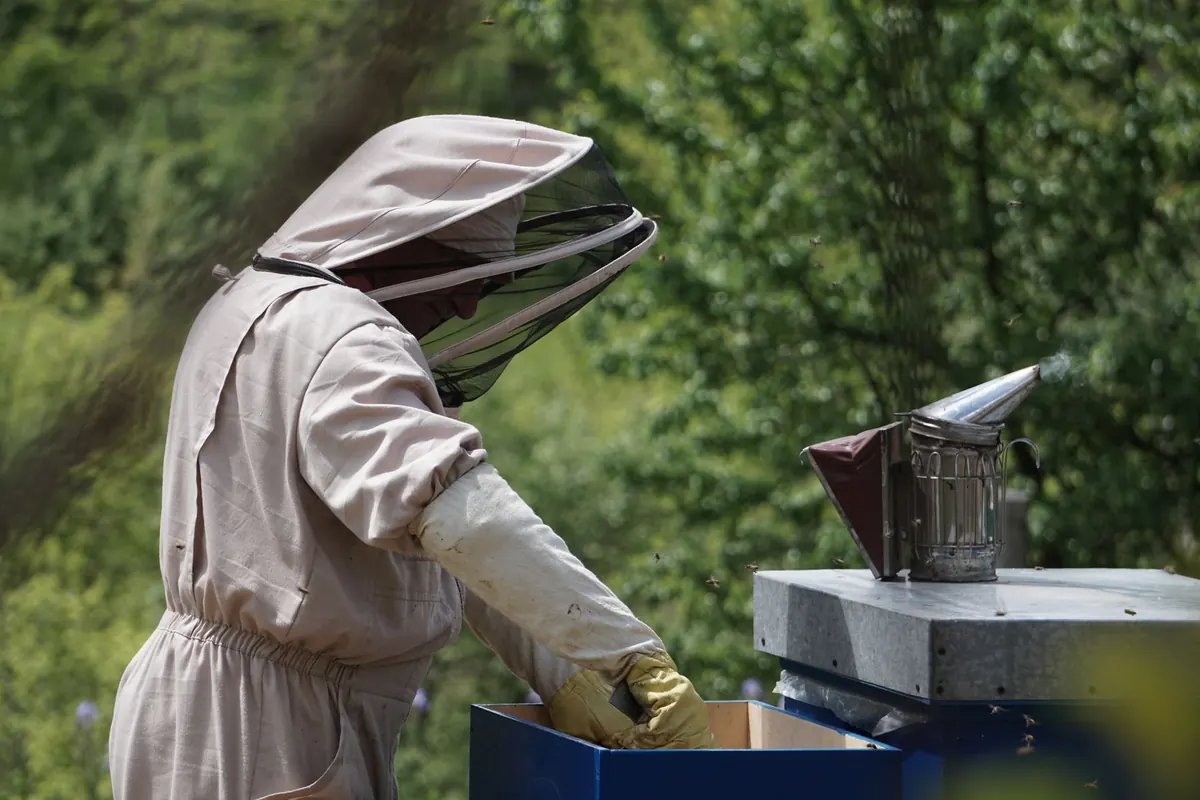
Urban Beekeeping in the UK: Rules, Space and Neighbour Considerations
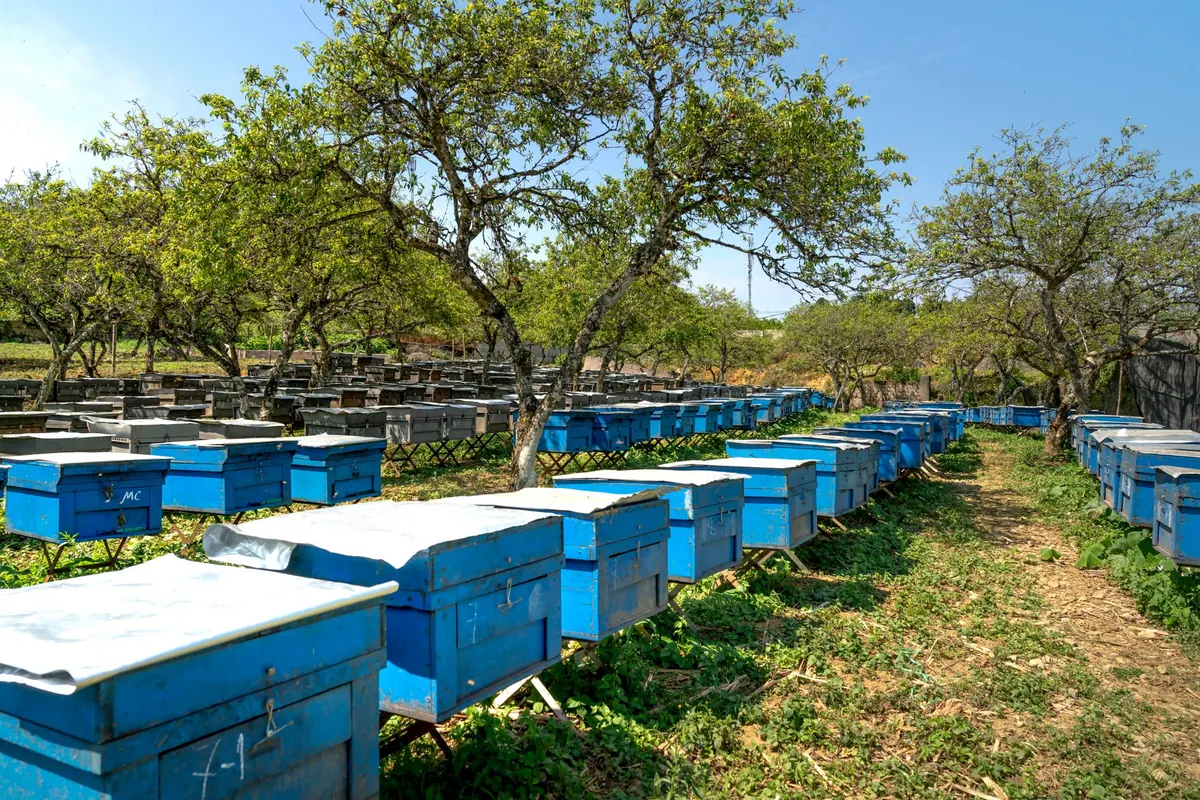
Beekeeping has quietly become one of the most popular urban hobbies in Britain. A modest back garden, an allotment corner, even a flat roof can, in the right circumstances, host a productive colony. The appeal is easy to understand: fresh honey, better pollination for your beans and fruit bushes, and an absorbing hobby that rewards patience. But bees are livestock, not ornaments, and a colony that thrives in a rural hedgerow can cause real friction on a housing estate. Before you order a nuc, it pays to think carefully about where the hive will go, what the rules actually say, and how your neighbours will feel about several thousand new residents next door.
Do you need permission to keep bees?
In the UK, there is no licence required simply to keep honeybees. You do not need to register with a government body to own a colony, and there is no national law banning hives in towns or cities. That said, several layers of rules can apply, and this is where new beekeepers often come unstuck.
- Tenancy agreements and leases frequently prohibit pets, livestock, or anything that could be considered a nuisance. Bees usually fall foul of the wording.
- Freehold properties may still be subject to restrictive covenants. These are old conditions written into the deeds and can forbid keeping animals or running a business from home.
- Flats and communal buildings bring leasehold terms, managing agents, and shared roof or garden access into play. Get written consent before a hive appears.
- Allotments each have their own rules. Many allow bees, some ban them outright, and some require a specific plot or set-back distance.
- Local authority byelaws occasionally place conditions on hives in certain areas, so a quick call to your council's environmental health team is worthwhile.
If you rent, ask your landlord in writing. If you own a leasehold flat, read the lease and speak to the freeholder or managing agent. It sounds tedious, but a polite email now prevents a difficult conversation later. For anything involving covenants or disputes, a solicitor or the Citizens Advice service can clarify your position.
Space: what you actually need
You do not need an acre. A hive footprint is small, roughly the size of a small chest freezer once you allow standing room behind it. What matters far more is the space around the hive and the flight path bees will use.
Bees leave the entrance and rise in a fairly predictable arc. If that arc sweeps straight across a neighbour's patio, washing line, or front door, you are asking for trouble. The classic fix is to face the entrance towards a tall hedge, fence, or wall at least two metres high. Bees will climb over the obstacle rather than fly through it, lifting them well above head height within a few metres. A six-foot fence does a surprising amount of diplomatic work.
Think about sun and shelter too. Most beekeepers in Britain favour a spot that gets morning sun and light afternoon shade, with the hive raised on a stand to keep it off damp ground and away from slugs. A windbreak of shrubs helps in exposed gardens. Leave enough room to work comfortably at the back of the hive, and a little storage for a spare brood box, supers, and tools.
Do you have room for more than one colony?
Colonies swarm, and swarms need somewhere to go. Even if you plan to keep one hive, an empty nucleus box or a spare stand on hand is wise. Some urban keepers deliberately run two smaller colonies rather than one large one, but that doubles the beekeeping workload and the number of bees in the air.
Water: the detail people forget
Bees need water, and they are not fussy about the source. A pond, a water butt with an open top, a dripping tap, or a neighbour's birdbath will all attract foragers. If you do not provide a reliable supply in your own garden, your bees will find one on someone else's property, and that someone may not be delighted.
Set up a shallow tray, a saucer of pebbles, or a bucket with cork floats so bees can land without drowning. Keep it topped up through summer. It is one of the simplest and most effective things you can do to keep the peace.
Neighbours: the practical side
Most people are far more relaxed about bees than beekeepers fear, provided they are told in advance. A knock on the door, a friendly note, or a chat over the fence explaining your plans goes a long way. Mention where the hive will sit, which direction the entrance faces, and what you are doing to keep bees away from their space.
Be honest about the realities. Bees sting, though honeybees are generally docile when left alone. Swarms happen in late spring and early summer, and a swarm in a neighbour's hedge is alarming even when it is harmless. Have a plan: know a local swarm collector, keep your hive well managed, and carry out inspections when neighbours are not hosting a barbecue. Avoid working the hive in poor weather when bees are grumpy, and do not site it beside a shared path where people brush past.
It also helps to think about who lives nearby. Anyone with a known severe allergy to bee stings deserves a conversation, not a surprise. You cannot eliminate risk entirely, and you should not pretend otherwise. If someone is anxious, listen rather than lecture. Sometimes moving the entrance or adding screening solves the problem. Occasionally, the honest answer is that this particular garden is not the right place for a hive.
Insurance and good practice
Join a local beekeeping association. Membership usually includes public liability insurance, which matters if someone is stung or a swarm causes a problem, and it puts you in touch with experienced keepers who know your area. The British Beekeepers' Association is the national body and can point you towards your nearest branch. Mentors, swarm collectors, and second-hand equipment are all easier to find through a local group.
Register your colony on BeeBase, the national bee health programme. It is free, helps with disease monitoring, and means you will be alerted if there is an outbreak nearby. Learn to recognise and report notifiable pests and diseases, and never accept a bargain hive or colony from an unknown source without checking its health history.
A short checklist before your first hive
- Check your lease, deeds, or allotment rules, and get any consent in writing.
- Choose a site with a sheltered entrance facing a tall barrier.
- Set up a reliable water source before the bees arrive.
- Speak to immediate neighbours and explain your plans.
- Join a local association and sort out insurance.
- Register on BeeBase and line up a mentor.
Urban beekeeping is entirely achievable, and many British gardens produce excellent honey. It works best when you treat the hive as part of the neighbourhood rather than a private project. Plan the site, respect the rules that apply to your property, keep water available, and talk to the people who share your street. Do that, and your bees will be welcomed rather than merely tolerated.
Photo: Quang Nguyen Vinh / Pexels