Seasonal Checklist: Sustainable Garden Jobs for Each UK Month
British weather rarely follows the script, but a garden year still has a rhythm. There is a moment for mulching, a moment for pruning, and a moment when you should simply put the kettle on and leave the beds alone. The trick is to work with that rhythm rather than against it. Do the right job at the right time and you use less water, fewer resources and far less effort. Here is a month-by-month checklist of jobs that keep a garden productive while treading lightly on the soil, the hedges and everything living in them.
Late winter: January and February
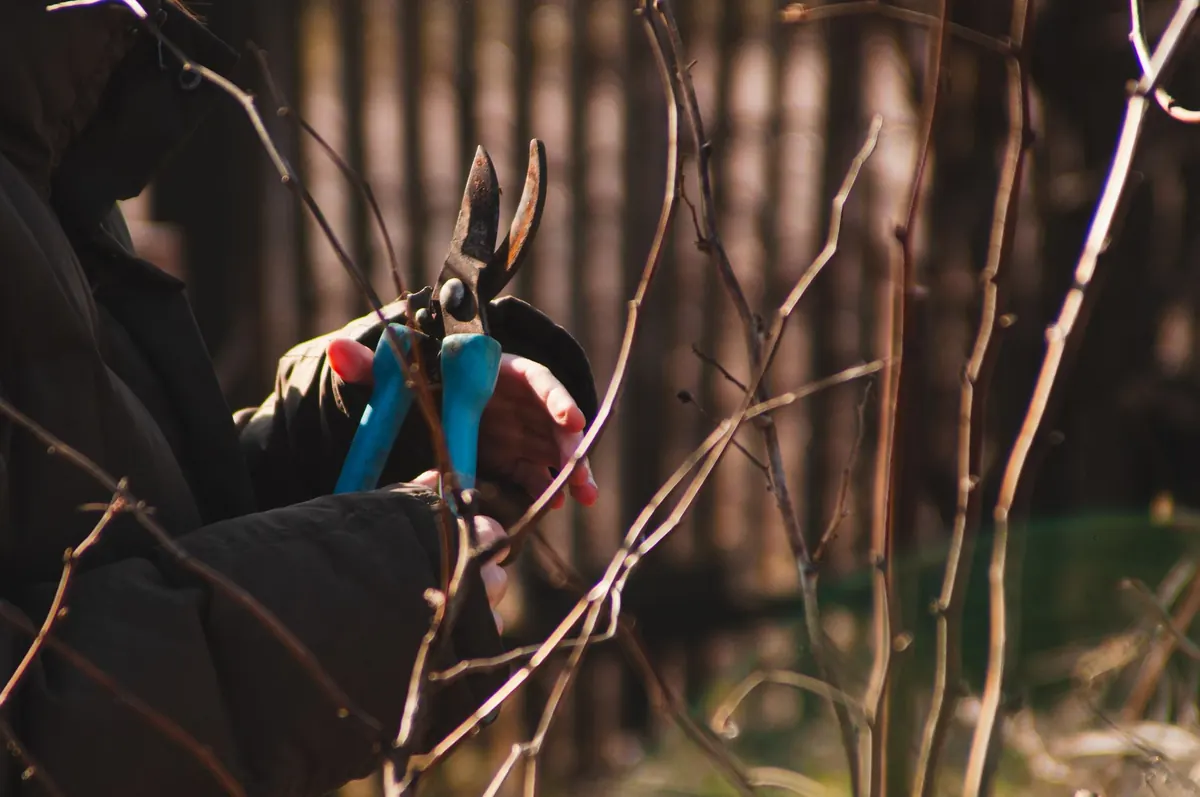
Cold, quiet months, and the best time of year for structural work. Deciduous trees and shrubs are dormant, so pruning wounds heal quickly and you can see the shape you are creating without leaves in the way.
Start with the compost heap. Winter is when most heaps sit cold and sulking. Turn yours if you can get to it, mix in a few handfuls of shredded cardboard or torn-up egg boxes to soak up excess moisture, and cover it with an old piece of carpet or a lid. A heap that stays damp but not sodden will be working again by March.
February is also the month to think about water before you need it. If you have been meaning to fit a water butt, do it now, before the spring downpours arrive and you watch good rain run down the drain. A simple diverter kit fitted to a downpipe fills a butt surprisingly fast.
- Prune apples, pears and other dormant fruit trees, removing crossing branches first.
- Leave ivy and seed heads standing until the last hard frost has passed.
- Clean and sharpen tools now, while there is time.
- Check stored dahlia tubers and lifted onions for rot.
- Put up a bird box or two, ideally facing between north and east.
Early spring: March and April
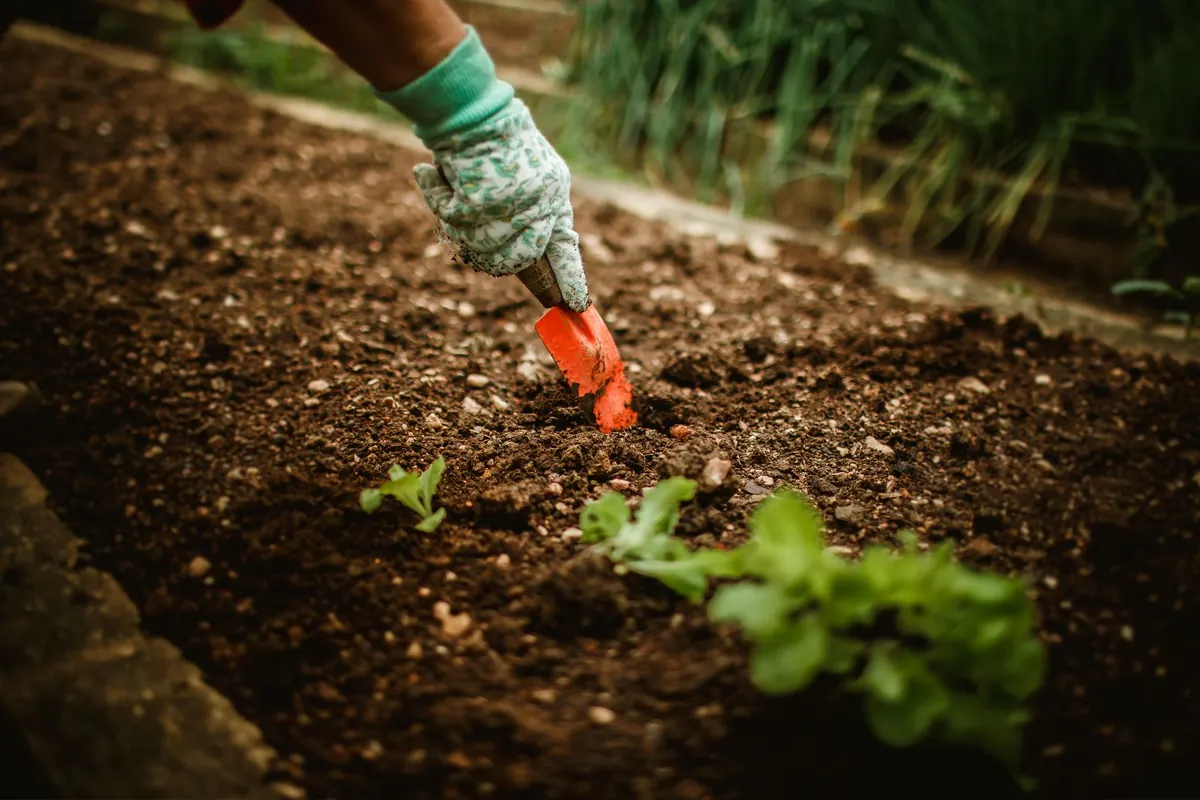
Everything wakes up at once, including the weeds. The temptation is to reach for a hoe and a bottle of something. Resist the bottle. Hand-hoe annual weeds on a dry, breezy morning and they will shrivel where they fall, adding organic matter rather than chemicals.
March is the ideal month to spread a mulch of homemade compost or well-rotted leafmould over beds. Two or three inches is plenty. Mulch suppresses weeds, slows water loss through summer and feeds the soil life that does the real work of a garden.
April is sowing time, but watch the soil. If it is still cold and claggy, seeds will rot rather than germinate. Warm it first with a sheet of black polythene or fleece for a fortnight. For tender crops such as courgettes and tomatoes, start them indoors and hold off planting out until the risk of frost has clearly passed in your area.
A note on slugs
Rather than reaching for pellets, encourage the predators. A shallow dish of beer sunk into the soil traps slugs; a log pile and a patch of long grass give ground beetles and hedgehogs somewhere to live. A healthy population of frogs in a small pond will do more for your hostas than any chemical.
Late spring: May and June
Growth is at full tilt and water becomes the main concern. Water deeply and less often, aiming at the roots rather than the leaves, and do it in the evening or early morning so less evaporates. A watering can emptied slowly onto the soil around a plant does more good than a quick sprinkle across the whole bed.
May is the month to stop mowing so hard. Leaving a strip of lawn to grow long, even just a metre along a fence, feeds bees and butterflies through summer and costs you nothing but a slightly scruffier edge. Cut paths through it and you have both structure and habitat.
June is for staking and tying in, ideally with natural twine rather than plastic ties, and for deadheading flowers to keep them going. It is also a good moment to check that your water butts are connected to the right downpipes and that overflow runs somewhere useful, such as a border or a fruit bush, rather than onto paving.
High summer: July and August
Holiday season, and the garden can largely look after itself if you have mulched and watered sensibly. If you are going away, group pots together in shade, sink them into a tray of damp gravel, and move anything precious out of full sun. A neighbour with a watering can is worth more than any gadget.
Keep collecting rainwater when it comes. Summer storms are brief but heavy, and a butt that fills in twenty minutes will carry you through a fortnight of dry weather. Cover open water butts with a lid or fine mesh to keep leaves and mosquitoes out.
Compost needs attention now too. Summer heaps dry out fast. If yours looks dusty, add kitchen scraps with a bit of moisture and turn it. Never put cooked food, meat or diseased plant material in a cold heap.
Autumn: September and October
This is the great gathering season, and the best time of year to plant almost anything woody. The soil is still warm and autumn rain does the watering for you, so trees, shrubs and hedges settle in before winter.
Autumn leaves are not rubbish. Sweep them into a bin bag or a simple wire frame, punch a few holes for air, and leave them for a year. Leafmould is one of the finest soil improvers you can make, and it costs nothing but patience.
- Plant bare-root trees, roses and fruit bushes from late autumn onwards.
- Collect and store seed from beans, calendula and other open-pollinated plants.
- Cut back faded perennials but leave some stems standing for overwintering insects.
- Empty, clean and store hoses, and drain irrigation lines before frost.
- Sow a green manure such as field beans on empty vegetable beds.
Winter again: November and December
By now the garden is slowing, and so should you. There is still useful work: cleaning greenhouse glass to let in low winter light, insulating outdoor taps, and tidying sheds. But the most valuable thing you can do is leave things be.
Do not cut hedges hard in the depths of winter. Birds rely on berries and dense cover for shelter, and a severe cut removes both food and protection. If a shrub genuinely needs reshaping, wait until late winter or, for nesting birds, until the end of the season. Under the Wildlife and Countryside Act it is an offence to damage or destroy the nest of a wild bird while it is in use, which in practice means checking carefully before any cutting between spring and late summer.
Feed the birds, top up the compost with the last of the kitchen peelings, and let fallen leaves lie in the corners of the plot. They will be gone by spring, turned into soil by worms and woodlice.
Making the checklist work for you
None of this needs to be done perfectly. Gardens are forgiving, and wildlife is adaptable. The point of a seasonal checklist is to notice what the garden is doing and lend a hand, not to add another round of chores to a busy week.
Pick two or three jobs from the current month and leave the rest. Keep a simple notebook of what you did and when, and you will soon learn your own patch: which corner dries out first, which tree crops best after a hard prune, where the frogs have set up home. That local knowledge is worth more than any schedule, and it is the beginning of a garden that looks after itself.
Photo: Boryslav Shoot / Pexels