Checklist: 10 Common Fern Care Mistakes and How to Fix Them

Ferns are not fussy plants so much as particular ones. Give them damp, airy compost, soft light and humid air and they will quietly get on with things for years. Get one of those wrong and the fronds will tell you within a fortnight — yellow, crisp, pale or flopping. The ten problems below account for almost every unhappy fern, indoors or out, and none of the fixes takes more than a few minutes.
Water: too much, then too little
Overwatering is the quickest way to lose a fern. Roots need air as much as moisture, and compost that stays wet for days turns them black and soft. Watch for yellowing lower fronds, a sour smell at the pot rim, grey mould on the surface and fungus gnats hovering about.
The fix: water when the top centimetre or two of compost feels barely damp — not bone dry, not soaked. Empty the saucer an hour afterwards. If the compost already smells sour, tip the plant out, shake off the old mix, trim any black roots with clean scissors and repot into fresh, free-draining compost. Always use an inner pot with drainage holes.
Underwatering looks quite different: crisp brown edges, fronds curling inwards, papery new growth. Maidenhair ferns drop leaflets fast, and small pots in a warm room can dry out in a day. Check with a finger rather than a calendar.
Light: scorched fronds and gloomy corners
Most ferns are woodland plants that grew up under a canopy, which tells you what they want: bright but indirect light, or dappled shade outdoors. A frond in direct midday sun, especially through glass, scorches within hours. The damage shows as bleached, papery patches with brown edges, always on the window side.
The fix: move the plant a metre or two back from a south- or west-facing window, or soften the light with a sheer curtain. East-facing sills suit most house ferns well.
Too little light is slower but just as damaging. Growth turns spindly and pale, new fronds stay small, and the compost dries so slowly that rot sets in. If you could not comfortably read a newspaper in the spot without a lamp, it is too dark for a fern. Outdoors, dry shade under deciduous trees suits hardy types such as Dryopteris and Polystichum; deep evergreen shade does not.
Air: the humidity problem
Central heating sits behind most cases of brown, crispy frond tips. Ferns lose moisture through their fronds, and dry air pulls it out faster than the roots can replace it. Radiators, log burners and draughty doorways all make matters worse.
The fix: raise humidity around the plant rather than soaking the compost. Stand the pot on a tray of pebbles with water kept below the base of the pot, group ferns together so they share the moisture they release, and keep them clear of direct heat. A bathroom with a window is often the best room in the house for a fern. Misting helps for an hour or so and is worth doing in the morning, but it is no substitute for a proper humidity tray — and a late-evening mist can encourage mould on the fronds.
Food and pots
Feed little and often, or barely at all. Ferns are light feeders, and a strong dose in dry compost burns fine roots, showing up as scorched tips and yellow patches between the veins. In spring and summer, feed at half the strength recommended on the bottle, roughly once a month. Stop from late autumn to early spring, when growth slows and unused salts accumulate.
Repotting causes two more problems. The first is burying the crown — the point where fronds emerge — under compost. It should sit just above the surface, or it rots quietly. The second is choosing a pot that is far too big, leaving a mass of wet compost around roots that cannot use it. Move up one size at a time, in spring, into a mix that holds moisture but drains: peat-free multipurpose with extra bark, leaf mould or perlite works well.
Scissors, dust and pests
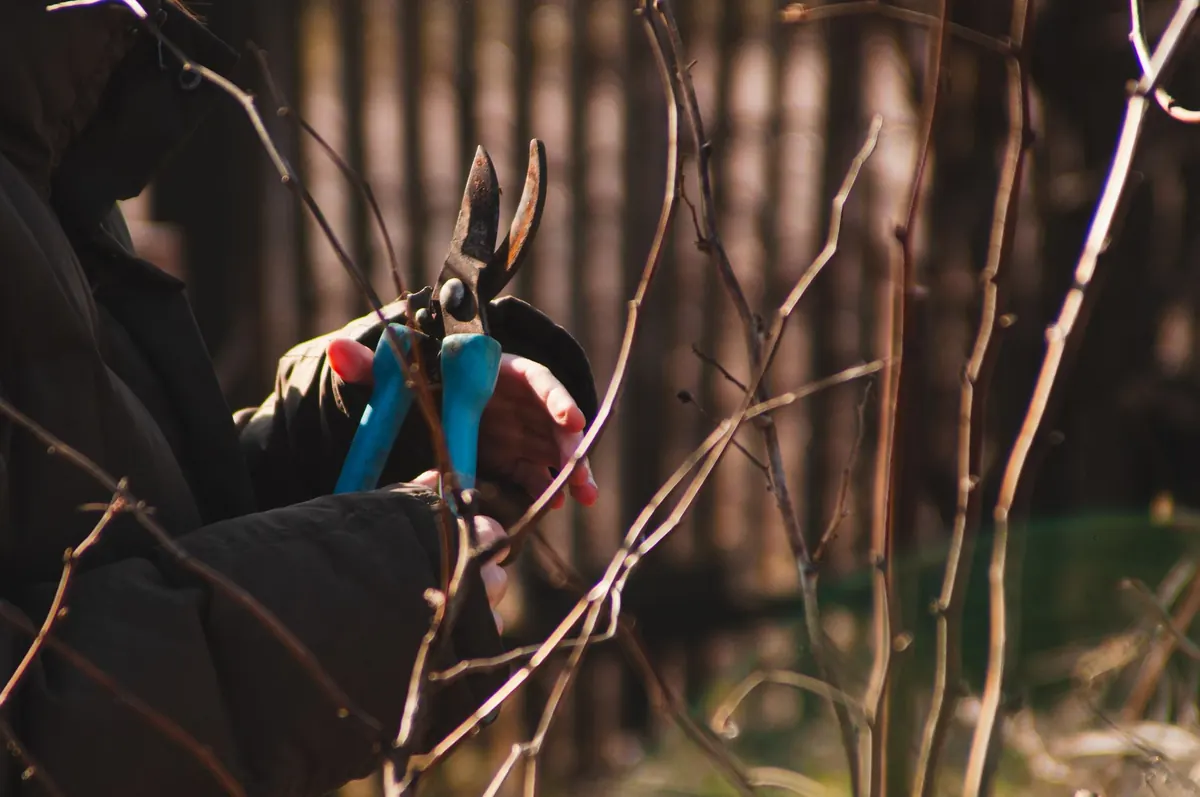
Do not cut back harder than you need to. Dead fronds can be snipped at the base with clean scissors, but green fronds are the plant's kitchen — strip them all off a struggling fern and it has nothing left to photosynthesise with. Remove spent fronds little and often rather than giving the plant a severe haircut.
Dust is easy to overlook. A grey film on the fronds blocks light and makes any fern look tired. A gentle shower with room-temperature water, or a wipe with a soft damp cloth, once a month does a surprising amount of good.
Pests hide in tight crowns and along the stems:
- Scale: small brown bumps that scrape off with a fingernail. Wipe with a damp cloth or treat with insecticidal soap.
- Mealybug: white, cottony clusters in the leaf joints. Dab with a cotton bud dipped in methylated spirits and repeat weekly.
- Red spider mite: fine webbing and dull, mottled fronds in dry air. Raise humidity and wash the fronds; mites dislike damp conditions.
- Fungus gnats: a sign of permanently wet compost. Let the surface dry slightly and repot if they persist.
The ten-point checklist
- Watering to a schedule — check the compost with your finger instead.
- Standing in water — empty the saucer an hour after watering.
- Compost left bone dry — check small pots daily in summer.
- Direct midday sun — move back from the glass or filter the light.
- A gloomy corner — find bright, indirect light.
- Dry air from radiators — use a pebble tray and group plants.
- Overfeeding — half-strength, monthly, spring to summer only.
- Crown buried at repotting — keep it level with the compost surface.
- Cutting off healthy fronds — remove only dead or damaged ones.
- Ignoring pests and dust — inspect the crowns monthly and clean the fronds
Photo: Sasha Kim / Pexels