How to Create a Wildlife-Friendly Container Garden in a Weekend
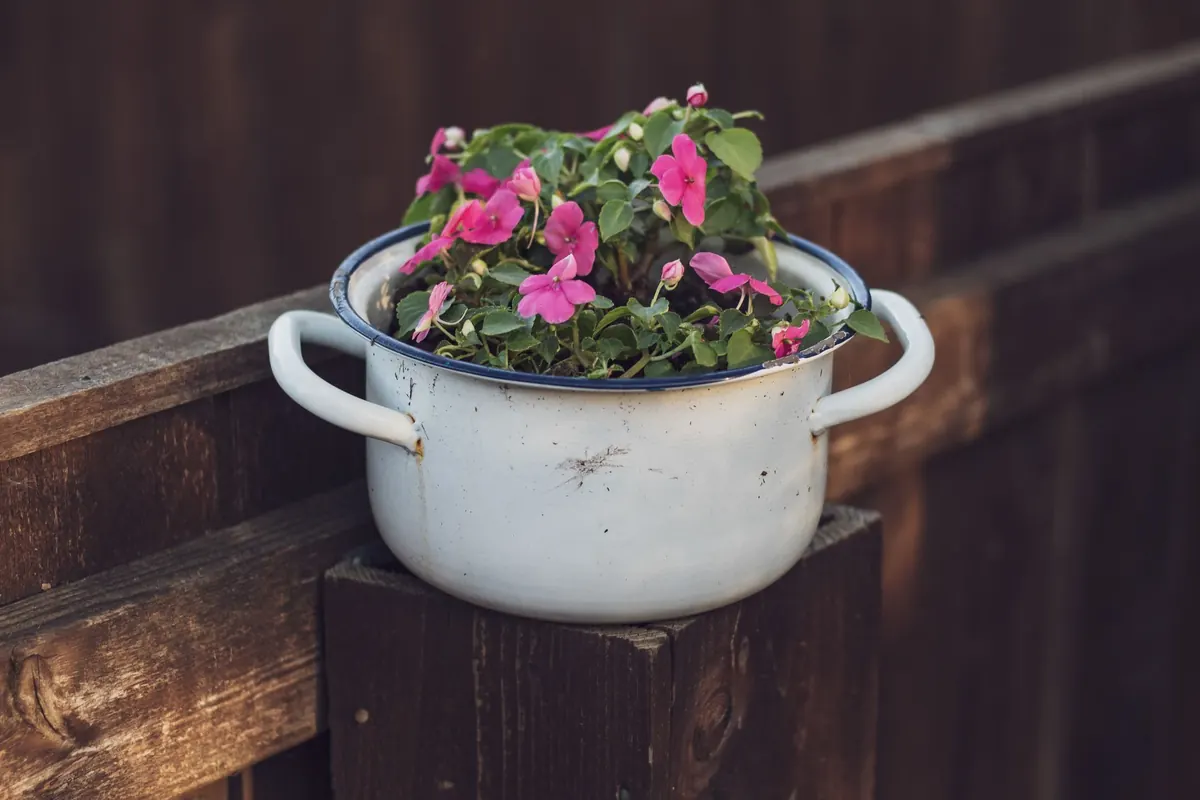
A window ledge, a back step, a balcony or a courtyard with six pots on it — none of these are too small to matter. Bees, hoverflies, butterflies and moths move between patches of flowers like commuters between stations, and a well-planted container is a service stop on that route. The encouraging part is that setting one up takes a weekend rather than a season. Here is how to spend the two days, what to plant, and the small additions that turn a decorative pot into something wildlife genuinely uses.
Why containers are worth the effort
Containers have advantages a border cannot match. You can move them into the sunniest corner, raise them to a comfortable working height, and give plants the free-draining compost that Mediterranean herbs and many pollinator favourites demand. A pot standing against a warm south-facing wall holds heat into the evening, which extends foraging time for insects on cool, overcast days.
What containers lack is resilience. Compost in a pot dries out quickly, nutrients wash away with every watering, and there is no subsoil to fall back on. Plan for that from the start and the planting will thrive; ignore it and you will spend the summer watching things sulk.
Pick plants that earn their place
The single most useful rule is to favour single, open flowers over frilly doubles. A double begonia may look splendid, but its petals have replaced the nectar and pollen that insects came for. Open daisies, umbellifers such as dill and fennel, and tubular flowers like salvia and penstemon all give visiting insects something to work with.
Aim for a long season rather than one flush. Spring pots can carry wallflowers, pulmonaria or cowslips. Summer does the heavy lifting, with lavender, catmint, oregano, thyme, borage, calendula, cosmos, agastache and single-flowered dahlias. Late summer and autumn belong to sedum, scabious, asters and Verbena bonariensis. If you have four pots to play with, try this:
- Sunniest spot: lavender with oregano and a single-flowered dahlia, all in a generous pot.
- Herb pot for the kitchen and the bees: thyme, rosemary and marjoram, left to flower before you cut them back.
- A tall, late-flowering pot: Verbena bonariensis with sedum and a scabious, which will still be feeding insects in October.
- Shaded corner: pulmonaria, a hardy geranium and a foxglove, which will suit bumblebees emerging early in the year.
Saturday: compost, pots and planting
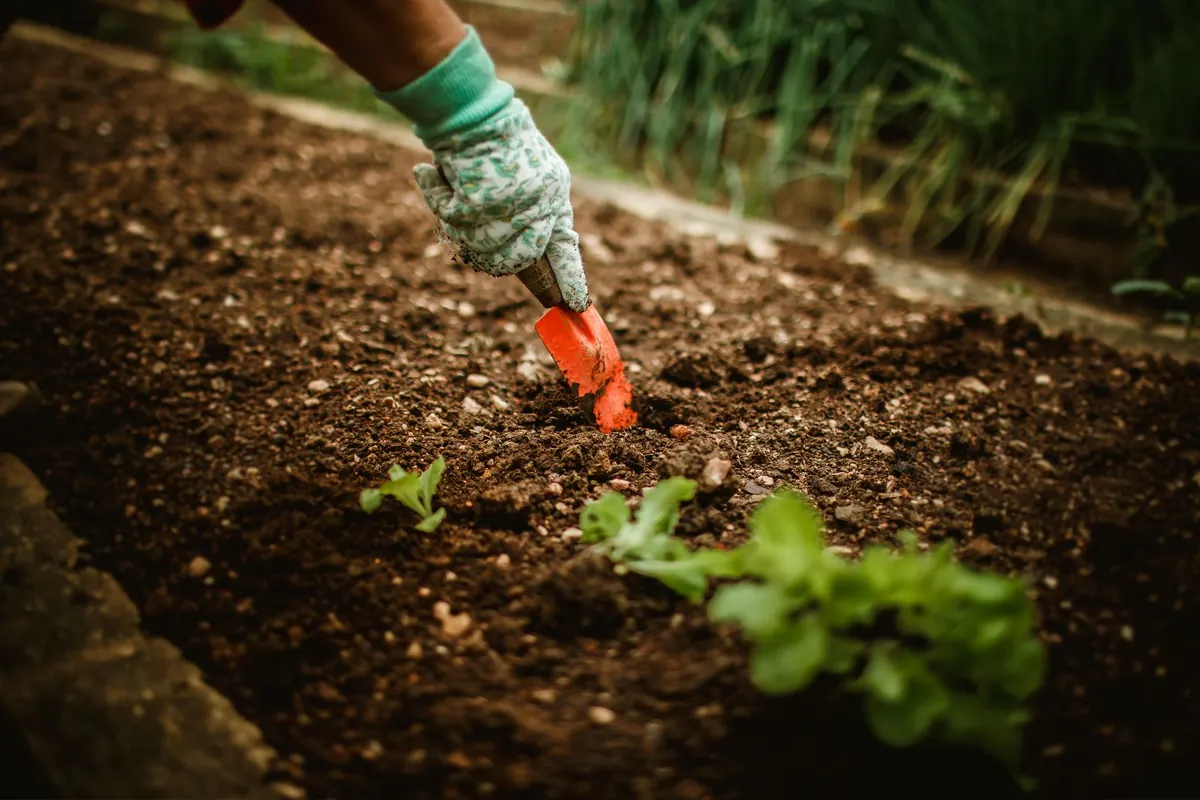
Check that every pot has drainage holes, and stand them on feet or broken tiles so water can escape rather than pooling. Bigger is genuinely better: a 30cm-wide pot holds moisture far more steadily than a small one, and shrubs such as rosemary need the root room. Use a peat-free multipurpose compost, and for herbs and silver-leaved plants mix in a couple of handfuls of horticultural grit to improve drainage. Garden soil straight from the border compacts in a pot and should be avoided.
Then work steadily through the planting:
- Water the plants in their nursery pots an hour beforehand so the rootballs are damp.
- Part-fill the pot with compost, leaving room for the rootball to sit just below the rim.
- Ease out the plants and gently loosen tight roots with your fingers.
- Set them in at the same depth they were growing before, firming compost around each one.
- Water thoroughly until it runs out of the base, then top with a gravel or composted bark mulch to slow evaporation.
Group the finished pots together rather than spreading them out. Clustering creates a humid microclimate, shades the compost surface, and gives insects one obvious place to visit instead of several scattered ones.
Sunday morning: put water on the list
Water is the single best addition you can make, and it costs almost nothing. A glazed saucer filled with pebbles and topped up with water gives bees and hoverflies somewhere safe to drink. Butterflies prefer damp ground, so a shallow dish sunk to its rim among the pots will often attract them, especially in dry spells.
If you have space for something larger, a half-barrel lined with a butyl pond liner becomes a miniature pond. Give it sloping sides or add a stack of stones at one end so anything that falls in can climb out, and add a few submerged oxygenating plants to keep the water clear. Top up with rainwater from a butt rather than the tap where you can, refresh small dishes every few days so they do not stagnate, and skip this entirely if small children have unsupervised access to the garden.
Sunday afternoon: shelter and somewhere to hide
Flowers and water will bring wildlife in; shelter persuades it to stay. Leave a corner of the garden slightly untidy and build from there. A bundle of hollow canes tied together and tucked among the pots will be used by solitary bees. A few broken terracotta shards propped into a dark, damp corner suit woodlice and beetles. A short log with holes drilled into one side, kept off the ground, gives overwintering insects somewhere to go.
Resist the large, decorative bug hotels with open fronts and lots of glass tubes; small, solid, south-facing structures work far better. And leave seedheads on late-flowering plants through the winter — goldfinches will strip teasel and coneflower, and the hollow stems are useful to overwintering larvae.
Looking after it
From June onwards expect to water daily in warm weather, ideally in the morning so plants have moisture before the heat peaks. A liquid tomato feed every fortnight keeps flowering pots going. Deadhead spent blooms to encourage more, but leave a few to set seed.
Do not reach for insecticide. Aphids on your nasturtiums will draw in ladybirds and hoverfly larvae within a week or two, and a healthy container garden tolerates a certain amount of nibbling. As August arrives and pots begin to flag, lift out anything exhausted and drop in late-flowering replacements rather than starting again.
The weekend in short
If the weekend slips away from you, do the essentials and leave the rest. A pot of lavender and oregano, a saucer of water with pebbles in it, and a bundle of stems in a sheltered corner will feed and house more creatures than you would guess. Add a second pot next month, then a third in autumn, and within a year you will have a small, scruffy, enormously useful habitat sitting on your patio. Prune nothing in autumn, water patiently in summer, and let it be slightly wilder than you would normally allow.
Photo: Lisa Marie / Pexels