How to Revive a Crispy Boston Fern After Central Heating Season
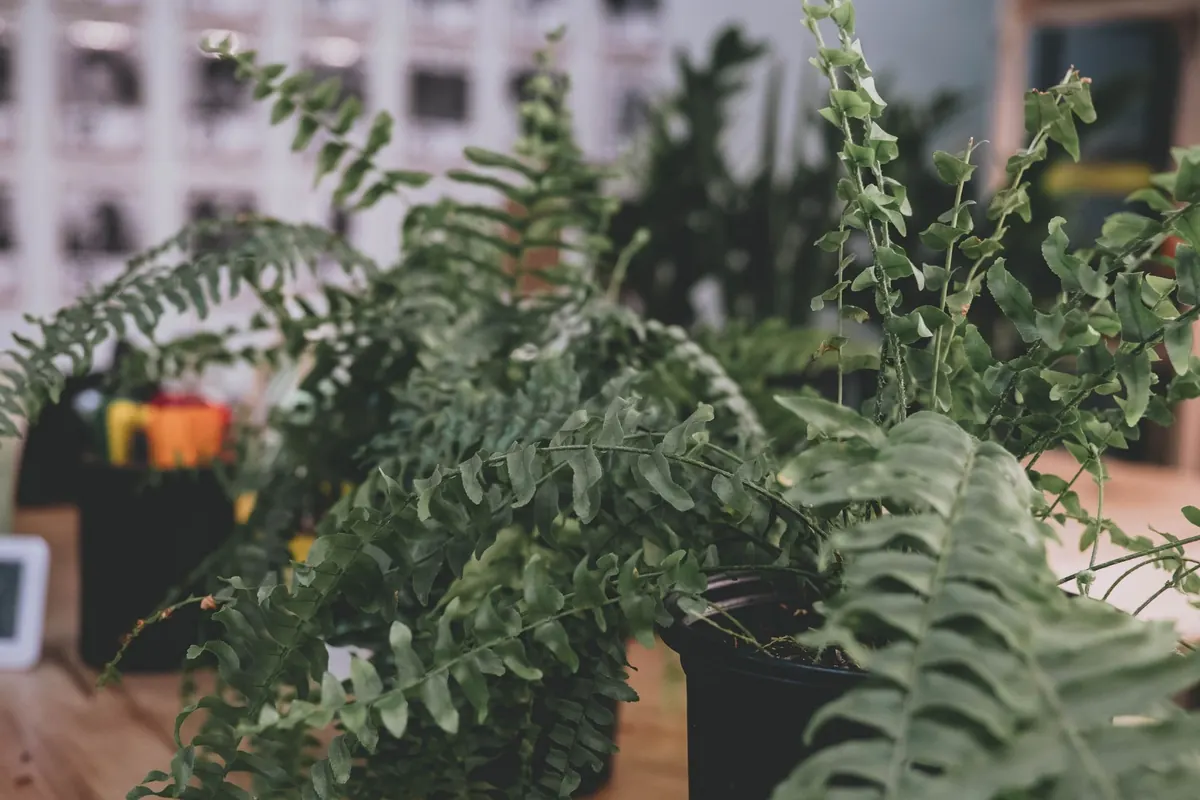
By the end of February, a Boston fern that looked lush in October can resemble a bowl of breakfast cereal. Fronds snap when you brush past them, the outer ring has gone brown and papery, and a small shower of dry leaflets lands on the carpet every time you move the pot. Central heating is usually the culprit — it strips moisture out of the air until a warm living room feels closer to a desert than a rainforest, and a fern built for steamy, shaded forest floors has no defence against it. The encouraging part is that these plants die from the crown outwards, not from the tips inwards. If the base is still firm and there is a tight coil of green fiddleheads waiting under the surface, you have something to work with. Here is the rescue in the order it should be done.
Check whether it is actually alive
Before you cut, water or move anything, pull the pot into decent light and look at the crown — the point where all the fronds meet the compost. Press it gently with a finger. A healthy crown is firm and slightly springy. A soft, dark, sour-smelling crown is a different problem altogether: that is rot from compost that stayed wet too long, and no amount of misting will fix it. If it smells like a pond and the base collapses under pressure, the plant is gone.
Next, tug one of the sad-looking fronds very gently. If it slides out of the compost with no resistance, it is dead tissue and can go. If it holds firm, the root plate is still connected to it. Work your way around the pot like this. You are not tidying up yet — you are finding out how much of the plant is still in business.
Trim, but leave anything half green
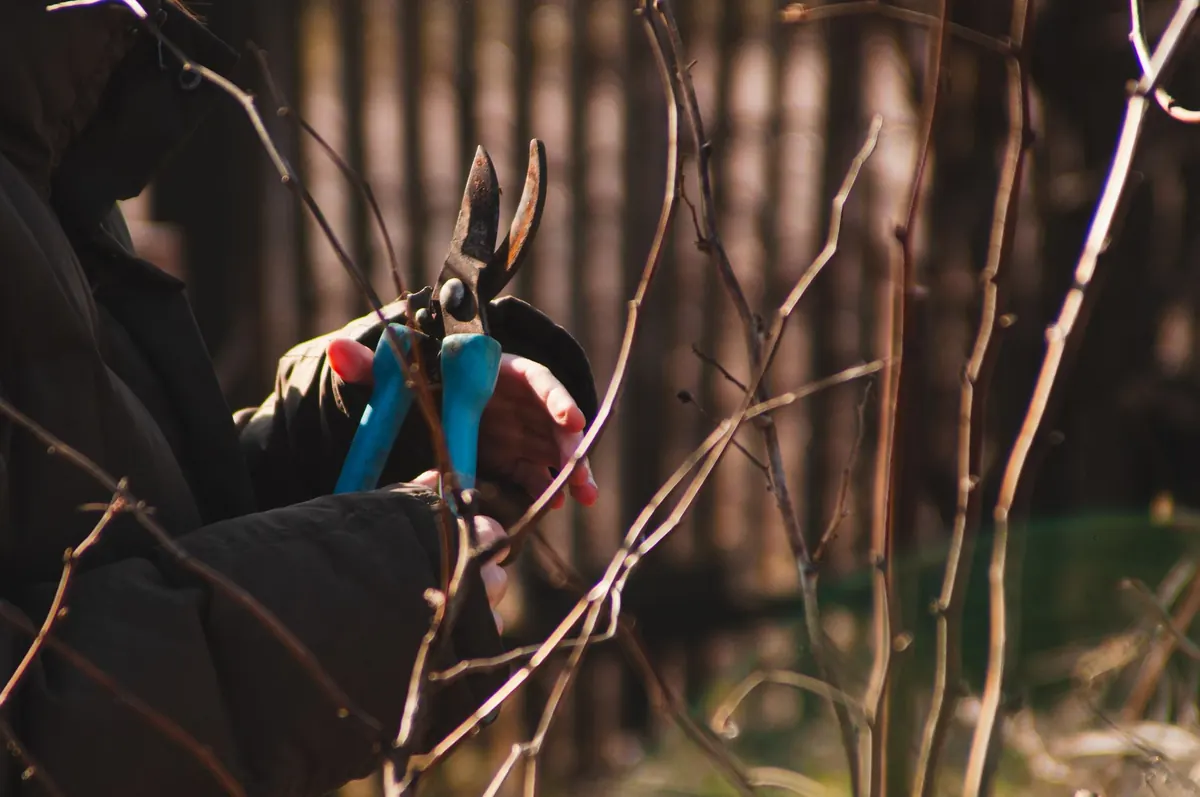
Now for the secateurs. Use sharp, clean scissors or snips — blunt blades crush the stem and leave a ragged wound that is slow to heal. Work over newspaper or a sink, because this is a messy job.
- Cut each dead frond back to roughly 2–3cm above the compost, close to the crown. One clean snip, not a tug.
- Leave any frond that is more than about half green, however tatty it looks. A browning frond is still feeding the plant.
- If almost everything is brown but the crown is firm and there are signs of new shoots, cut the lot back to 2–3cm. It feels brutal, and it is a gamble, but ferns regrow from the base far more readily than from a tired old canopy.
- Clear all the fallen debris off the compost surface. Dead leaflets left sitting on damp soil encourage mould.
Do not feed straight after a hard trim. There are barely any roots and leaves left to take it up, and a dose of fertiliser on a stressed fern will do more harm than good.
Fix the air — this is the real problem
Trimming improves how the plant looks. Humidity is what keeps it alive. Central heating can drop the moisture in the air of an average room dramatically, and a Boston fern wants the sort of damp atmosphere you get in a greenhouse or a well-used bathroom. There are several ways to raise it, in rough order of effectiveness:
- A room humidifier. In a heated living room this is the most reliable option by a wide margin. Run it near the plant, not directly at it.
- Group your plants together. Several pots clustered closely share the moisture they release, creating a small pocket of damp air. It sounds modest; the difference is noticeable.
- A pebble tray. Stand the pot on a saucer of gravel with water kept just below the top of the stones, so the base of the pot never sits in water. Topping this up every few days becomes second nature.
- Move it somewhere naturally damp. A bright bathroom or a kitchen windowsill will often suit a fern far better than a hallway radiator.
Misting is the remedy everyone reaches for, and it is not useless — but it lifts humidity around the leaves for only a few minutes at a time. In still, warm air, regularly wetted foliage can also invite fungal problems. Use it as a small extra, not as the plan. If you like knowing rather than guessing, an inexpensive hygrometer will tell you what the air in the room is really doing.
Water evenly, not often
Dry air and dry compost are two separate problems, and it is easy to overcorrect for the first by causing the second. A fern wants compost that is moist throughout, never sodden and never bone dry. Push a finger 2cm into the surface: if it feels dry at that depth, water. Water thoroughly until it runs out of the drainage holes, then empty the saucer within half an hour. A plant left standing in water will rot.
Two details make a real difference. Use water at room temperature rather than straight from a cold tap, and if you live in a hard water area, rain water or filtered water will spare the fronds the limescale that leaves pale, crusty edges. If the compost has dried out so thoroughly that water runs straight down the sides of the pot, soak the whole thing in a bowl of tepid water for twenty minutes and let it drain properly afterwards.
Adjust the light and move the pot
Sun-scorched, crispy fronds are often a combination of dry air and too much direct light. Boston ferns want bright, indirect conditions: an east or north-facing window, or a spot a metre or two back from a south-facing one. Move the pot off any radiator or shelf directly above one, and away from windowsills that drop cold at night — the chill from a single-glazed pane can damage fronds as surely as dry heat. Room temperatures around 16–21°C suit them well. Give the pot a quarter turn each week so growth stays even rather than leaning into the window.
Hold off on feeding and repotting
Check the undersides of the remaining fronds for fine webbing and pale speckling, the tell-tale signs of spider mites, which thrive on dry-stressed plants. A lukewarm shower rinses them off and clears dust from the leaves at the same time. Otherwise, leave the plant alone. Wait until you see new growth before giving a half-strength liquid feed, and only in spring and summer. And resist the urge to repot a sad-looking fern: disturbed roots on a struggling plant can finish it off. Only pot it on if roots are pushing out of the drainage holes.
What recovery looks like
If the crown is sound, new fiddleheads usually start unrolling within two to three weeks. They will be small and thin at first, and the plant will look scruffy for a month or two — this is normal, not failure. By summer, with steady humidity and even watering, a rescued fern can be full and green again.
Once it is back on its feet, the routine that keeps it there is simple: keep the air damp, water at that 2cm test, keep it out of direct sun and away from radiators, and turn it now and then. Come next winter, move it away from the heat before the heating goes on rather than after the tips have gone brown. A fern that has survived one heating season is usually tougher for the next.
Photo: Joshua Mcknight / Pexels