Small Garden Design Ideas for North-Facing UK Courtyards
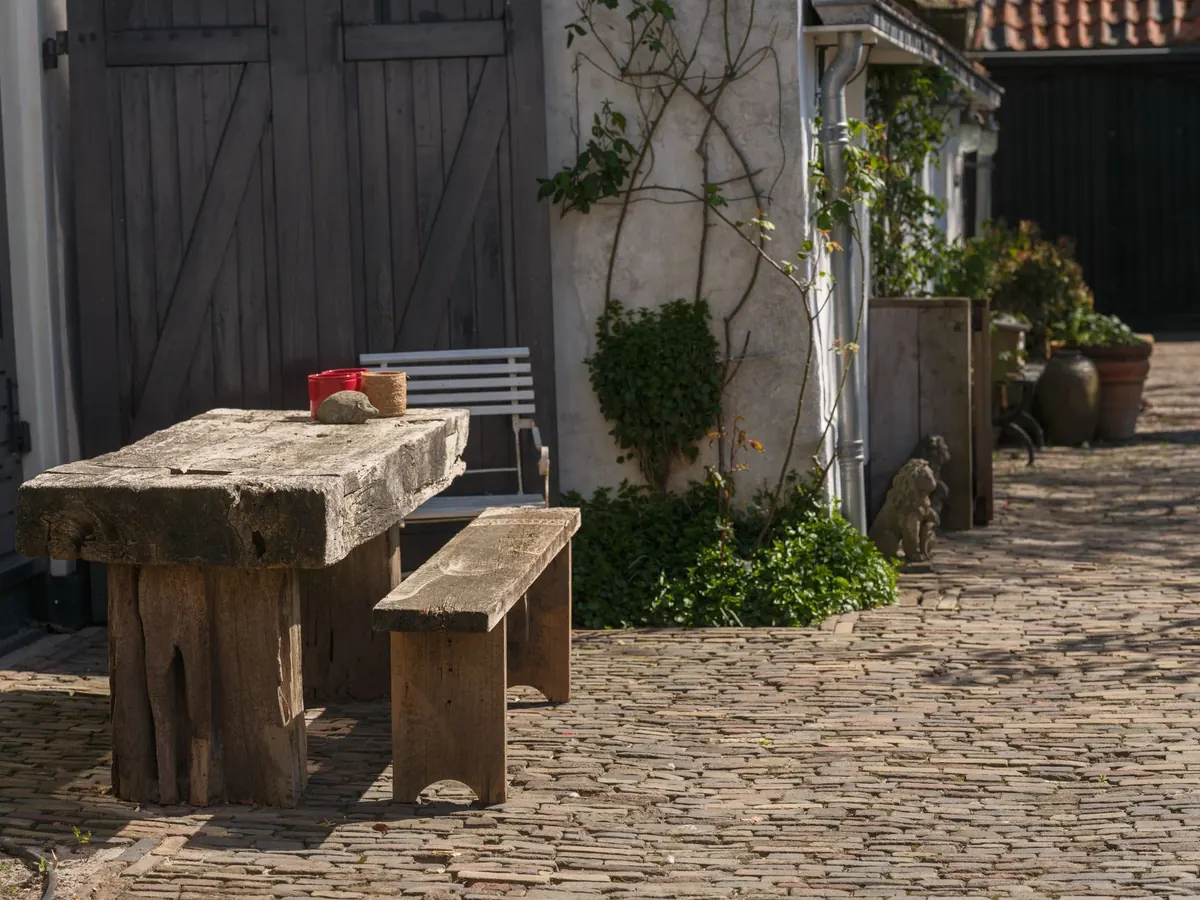
A north-facing courtyard can feel like the poor relation of the garden world. It rarely sees direct sun, the walls may be damp, and the soil can be cold and heavy. Yet these shady, sheltered spaces have their own quiet appeal. With the right plants and a few design tricks, you can turn a small north-facing UK courtyard into a cool, green sanctuary that looks good all year round.
Start by reading the light
North-facing does not mean pitch black. Most such courtyards receive bright, indirect light for much of the day, especially if the walls are painted a pale colour. Spend a day watching how light moves through the space. Where does it fall in the morning? Is there a patch that catches a sliver of sun in midsummer? Note any dry spots under eaves and damp corners near downpipes. This helps you place plants where they will thrive.
Use a simple compass or a phone app to confirm the direction. Also look at what surrounds you: a white wall opposite a window can bounce light deep into the courtyard. Reflected light is your ally. If the space is very dark, consider a light-coloured gravel mulch or pale paving to lift the gloom.
Pick plants that relish shade
Ferns are the backbone of any shady courtyard. They offer soft, arching fronds and a range of greens from lime to deep forest. For UK conditions, try Dryopteris erythrosora (copper shield fern) for its orange new growth, or Asplenium scolopendrium (hart's tongue fern) for bold, strappy leaves. Polystichum setiferum (soft shield fern) is reliable and evergreen, giving structure in winter.
Other shade lovers worth including: hostas for their broad, ribbed leaves; epimediums for delicate spring flowers and attractive foliage; hakonechloa (Japanese forest grass) for a soft, cascading texture; and hardy geraniums for splashes of colour. Heucheras add a jolt of burgundy, lime or caramel. Here are some top ferns for a north-facing courtyard:
- Dryopteris filix-mas (male fern) – tough, native, and tolerant of most soils.
- Athyrium niponicum var. pictum (Japanese painted fern) – silver and burgundy fronds that light up shade.
- Blechnum spicant (hard fern) – neat, evergreen rosettes for acid soil.
- Matteuccia struthiopteris (shuttlecock fern) – tall, dramatic, but needs moisture.
- Adiantum venustum (Himalayan maidenhair) – delicate, fresh green, good for damp corners.
Design with texture, not flowers
Shade gardens rely on foliage rather than a parade of blooms. Layer different leaf shapes: fine fern fronds against broad hosta leaves, upright grass stems against low mounds of epimedium. Use variegation to light up dark corners – a white-edged hosta or a silver-leaved brunnera will glow in low light.
Plant in drifts rather than dotting individuals around. A group of three or five of the same fern creates a calm rhythm. Add evergreens for winter structure, such as Sarcococca (sweet box) or Liriope. Moss in the cracks between paving softens hard edges and adds a sense of age. If you have room, a small container of Acer palmatum (Japanese maple) can act as a focal point, its delicate leaves catching what light there is.
Make every centimetre count
Small courtyards demand clever use of space. Think vertically. Wall-mounted pots, a trellis with climbing hydrangea or ivy, and shelves for small ferns can double your planting area without eating into the floor. A mirror on a wall can bounce light and create the illusion of a larger space, but position it carefully so it reflects something green rather than a blank fence.
Built-in seating with storage underneath is practical and saves space. Fold-away chairs and a drop-leaf table let you use the courtyard for dining when you want to, then clear the floor. Keep paths narrow but clear – a single sweeping curve feels more generous than a cramped straight line. Avoid clutter: one or two well-chosen objects, like a stone bowl or a simple water feature, will do more than a jumble of ornaments.
Light it softly for evenings
A north-facing courtyard can turn into a black hole after dusk. Warm-white LED uplighters aimed at a fern or a textured wall create dramatic shadows and depth. Solar-powered stake lights are easy to place and cost nothing to run. A string of festoon lights across the space adds a festive glow without harshness. Lanterns with candles or battery-powered flicker lights work well on a table.
Avoid floodlights that wash out the space. The aim is to highlight, not to illuminate every corner. Lighting extends the hours you can enjoy the courtyard and draws attention to the shapes and textures you have chosen.
Keep it damp and slug-free
Shade often means moisture, which ferns love – but so do slugs and snails. Protect hostas and young fern fronds with gravel mulch, copper tape around pots, or a nightly patrol with a torch. Water containers regularly in dry spells, as they dry out faster than the ground. Improve heavy soil with organic matter such as leaf mould or compost, and avoid overwatering, which can lead to root rot. Good air circulation helps prevent mildew on leaves.
A calm green retreat
With careful plant choices and a few space-saving tricks, a north-facing courtyard becomes a lush, tactile space. It may not be a sun trap, but it offers something better: a cool, quiet place to sit, read, or simply breathe. Start small, observe what works, and let the ferns do the rest.